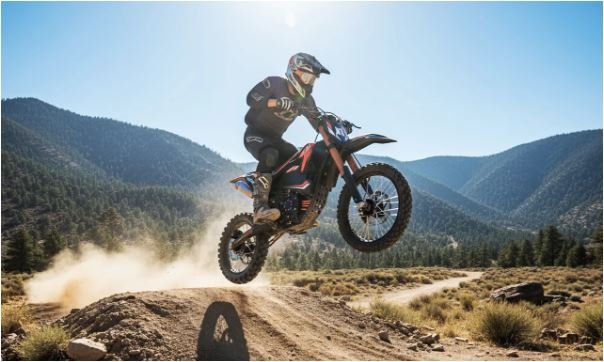
Choosing an electric dirt bike used to feel straightforward. Higher wattage, faster speed, and bigger batteries gave buyers a clear direction. Many models on the market today still present figures such as 3000W to 6000W motor output and top speeds between 30 and 50 mph as primary selling points. On the surface, these numbers seem enough to guide a decision.
That clarity has started to fade. As more riders spend time on actual trails, a different understanding is taking shape. Performance on paper does not always match what happens on dirt, gravel, or uneven terrain. Riders are beginning to evaluate bikes based on how they behave in real conditions rather than how they look in specifications.
Riders Want a Bike That Feels Easy to Control
Control has become one of the most discussed aspects among riders. While power remains relevant, the way it is delivered now carries more weight in decision-making. Electric motors provide immediate torque, which can be useful in certain situations such as climbing or quick acceleration. At the same time, overly sharp response can make the bike harder to handle, especially on loose surfaces.
This is where riding feel starts to matter more than raw numbers. A bike with a smoother throttle curve and consistent response allows riders to maintain stability across changing terrain. Instead of focusing on peak output, many riders now prefer setups that feel predictable and manageable during longer sessions.
Real Riding Experience Matters More Than Specs
A shift is also happening in how performance is defined. Riders are paying closer attention to elements that directly affect real-world riding. Suspension travel, braking consistency, and overall balance have become key considerations. Many electric dirt bikes now feature suspension travel in the range of 180 mm to 220 mm, helping absorb impacts on uneven ground and improving stability during off-road riding.
Braking systems have also evolved, with hydraulic disc brakes becoming standard across most models. These systems offer more reliable stopping power, particularly in technical sections where control is essential. Compared to a simple focus on wattage or top speed, these components provide a clearer picture of how a bike performs during actual use.
Buyers Are Thinking About How They Will Actually Use It
The way riders approach buying decisions is becoming more practical. Instead of asking how fast a bike can go, they are considering how often it can realistically be used. This shift becomes clear when browsing electric dirt bikes for sale, where attention is moving toward usability rather than peak performance.
Range and charging time are now central factors. Most electric dirt bikes offer a real-world range of around 40 to 70 miles depending on terrain and riding style, with charging times typically between 3 and 6 hours. These figures are not just technical details, they directly influence how convenient the bike is for regular riding. A bike that fits easily into a routine often becomes more valuable than one designed for occasional maximum output.
Easier Ownership Is Expanding How People Ride
Ownership experience is playing a larger role in shaping rider behavior. Electric dirt bike reduce many of the maintenance requirements associated with traditional engines. There is no need for oil changes, fuel management, or frequent mechanical adjustments, which simplifies long-term use.
With fewer maintenance demands, riders are able to focus more on riding itself. This change is influencing how often bikes are used. Instead of planning rides around maintenance or preparation, riders are integrating riding into shorter and more frequent sessions. As a result, off-road riding becomes easier to include in everyday schedules rather than being limited to occasional outings.
Riders Are Choosing Balance Instead of Extremes
Another clear trend is the move away from extremes. Riders are no longer searching for the most powerful or fastest option available. Instead, they are looking for a balanced combination of performance, control, range, and reliability. Weight also plays a role in this balance, with many electric dirt bikes falling between 50 and 80 kg, making them easier to handle across different skill levels.
This shift is influencing how brands approach product design. Rather than competing on a single specification, some are focusing on improving the overall riding experience. Qronge is one example of a brand aligning with this direction, placing emphasis on how the bike performs as a complete system rather than highlighting isolated performance figures. This approach reflects a broader change in how riders define value.
Final Thoughts
What riders really want from an electric dirt bike today is becoming more clearly defined through experience rather than specifications. It is not about achieving the highest numbers, but about finding a bike that feels consistent, controllable, and practical across real riding conditions.
As expectations continue to evolve, the focus is shifting toward usability and balance. A well-designed electric dirt bike is no longer judged by a single metric, but by how effectively it supports the rider over time. This change is shaping not only how bikes are chosen, but also how they are built and experienced in the years ahead