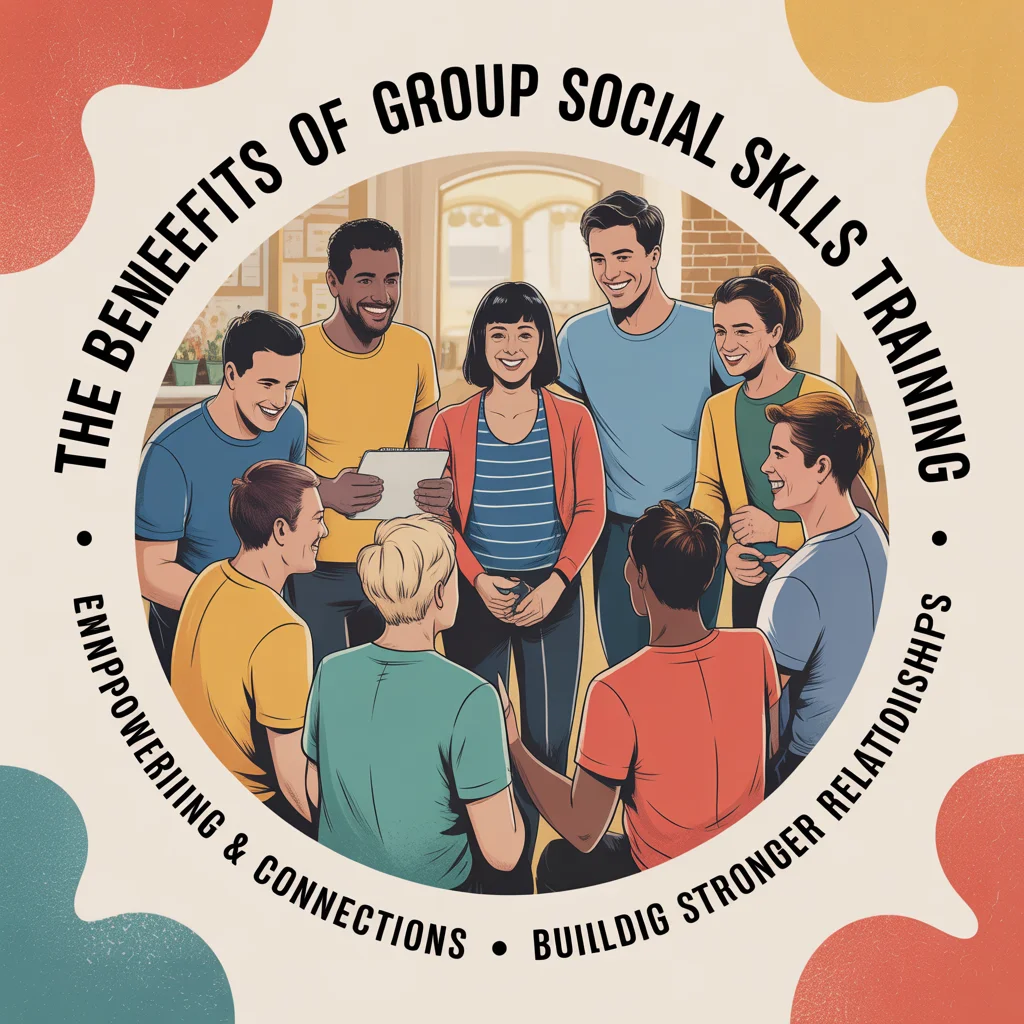
Social skills are the foundation of human interaction, allowing individuals to communicate effectively, navigate social situations, and develop meaningful relationships. For children and adolescents, especially those with developmental differences such as autism spectrum disorder (ASD), social skills are not always acquired naturally. This can impact their emotional well-being, academic performance, and overall quality of life. Group-based social skills training has emerged as an effective method for supporting children in these areas, offering structured opportunities to learn, practice, and reinforce essential social behaviors. This article explores the benefits of group-based social skills training and highlights the role of ABA therapists at Kids Club ABA in facilitating meaningful progress.
Understanding Group-Based Social Skills Training Programs
Group-based social skills training involves structured sessions in which children or adolescents participate in small groups to learn and practice social behaviors. Unlike one-on-one therapy, group settings offer unique advantages because they provide a natural environment for social interaction. Within these groups, participants engage in role-playing exercises, guided discussions, collaborative activities, and real-time feedback from therapists.
This approach is particularly effective for children with ASD because it allows them to observe and imitate peer behaviors, practice communication in a controlled environment, and receive corrective guidance from trained professionals. ABA therapists at Kids Club ABA play a crucial role in these sessions, designing activities that address individual needs while fostering group cohesion and collaboration.
How Peer Interaction Enhances Learning
One of the most significant advantages of group-based social skills training is the opportunity for peer interaction. Children learn best by observing others and receiving immediate feedback. In a group, participants can witness diverse social behaviors, understand different perspectives, and refine their responses. Peer interaction also reduces social isolation, helping children build confidence in their ability to engage with others.
Furthermore, practicing social skills in a peer setting allows children to develop empathy, emotional regulation, and problem-solving abilities. For example, a child learning to initiate conversation may feel hesitant in one-on-one therapy, but in a group, seeing peers attempt and succeed encourages participation and reduces anxiety. ABA therapists at Kids Club ABA facilitate these interactions by guiding discussions, prompting engagement, and reinforcing positive behaviors.
The Importance of a Structured Learning Environment
Group-based social skills training provides a structured environment that promotes consistency and predictability. Sessions often follow a clear agenda with set activities designed to target specific skills, such as making eye contact, taking turns, or understanding social cues. This structure is essential for children with developmental differences who may struggle with transitions or unstructured settings.
Within a structured environment, children receive repeated practice opportunities, which are critical for skill acquisition and generalization. Skills practiced in the group can then be applied in real-life settings, such as school, playgrounds, or family gatherings. The expertise of ABA therapists at Kids Club ABA ensures that each session is carefully planned, tailored to individual goals, and includes opportunities for reinforcement and feedback.
Developing Effective Communication Skills
Communication is at the core of social interaction. Group-based training helps children develop both verbal and non-verbal communication skills. Activities such as group discussions, role-playing, and collaborative games encourage children to express themselves clearly, interpret others’ intentions, and respond appropriately.
In addition, children learn conversational rules, including turn-taking, active listening, and topic maintenance. By practicing these skills in a supportive environment, they gain the confidence needed to communicate effectively in everyday situations. The guidance of ABA therapists at Kids Club ABA ensures that children receive targeted support to address challenges such as limited speech, social anxiety, or difficulty understanding figurative language.
Supporting Emotional Regulation and Resilience
Emotional regulation is a key component of successful social interaction. Children who struggle to manage their emotions may experience frustration, anxiety, or impulsivity, which can hinder their social development. Group-based social skills training provides opportunities to practice coping strategies, recognize emotional cues in others, and respond appropriately to social stressors.
For instance, during a collaborative game, a child may experience disappointment if they lose a turn. In this context, therapists can intervene to teach techniques such as deep breathing, positive self-talk, or problem-solving strategies. Over time, these skills become internalized, enabling children to navigate complex social situations more effectively.
Promoting Generalization Across Settings
A critical challenge in social skills development is generalization—the ability to apply learned behaviors across different settings and situations. Group-based social skills training inherently promotes generalization because participants practice skills with multiple peers and in dynamic social contexts.
Children learn to adjust their behavior based on the reactions of different group members, understand social norms in varied situations, and transfer skills to other environments such as school or extracurricular activities. This practical experience reinforces learning and increases the likelihood of long-term success. ABA therapists at Kids Club ABA play an essential role in facilitating this process by providing consistent guidance, modeling appropriate behaviors, and offering reinforcement tailored to each child’s needs.
Building Positive Peer Relationships
Developing meaningful peer relationships is a significant outcome of group-based social skills training. Children who engage in these programs often experience increased social confidence, reduced social anxiety, and greater willingness to initiate interactions. Positive peer experiences, in turn, enhance self-esteem and contribute to overall emotional well-being.
Moreover, group settings allow children to practice conflict resolution, collaboration, and cooperative play. These experiences teach valuable lessons about compromise, empathy, and mutual respect skills that are vital for building lasting friendships. Through structured activities and feedback, ABA therapists at Kids Club ABA ensure that children are equipped to form and maintain positive peer relationships.
Encouraging Motivation and Active Engagement
Group-based programs are often more engaging and motivating than individual therapy sessions. The social component adds an element of fun, as children participate in games, interactive exercises, and collaborative challenges. Peer modeling and social reinforcement further enhance motivation, as children are encouraged by their peers’ successes and the positive feedback of therapists.
This increased engagement leads to higher participation rates and better learning outcomes. When children are motivated and enjoy the process, they are more likely to internalize skills and apply them consistently in daily life. The expertise of ABA therapists at Kids Club ABA ensures that sessions are both enjoyable and purposeful, balancing skill development with interactive play.
Tailoring Interventions to Individual Needs Within Groups
While group-based training emphasizes peer interaction, individual differences are always considered. Children vary widely in their abilities, challenges, and learning styles, so interventions must be customized to maximize effectiveness. Therapists may provide individualized support within the group setting, such as visual aids, prompts, or one-on-one coaching during activities.
This combination of group dynamics and personalized guidance ensures that each child receives the appropriate level of support while benefiting from the social learning opportunities provided by peers. ABA therapists at Kids Club ABA are skilled at balancing these needs, creating an inclusive and effective learning environment for all participants.
Conclusion
Group-based social skills training offers a multifaceted approach to enhancing social development in children and adolescents. By providing opportunities for peer interaction, structured practice, communication development, emotional regulation, and skill generalization, these programs address the core components of successful social functioning.
The guidance of trained professionals is essential to the success of group-based interventions. ABA therapists at Kids Club ABA exemplify this expertise, creating environments where children can learn, practice, and reinforce essential social behaviors while building confidence and meaningful relationships.
Through consistent, structured, and engaging group sessions, children develop not only social competence but also self-esteem, emotional resilience, and the tools to navigate a complex social world. Group-based social skills training is not merely an intervention it is an investment in a child’s lifelong ability to connect, communicate, and thrive.