
Installing security cameras correctly is critical for effective monitoring and protection. However, many households and companies make significant blunders during installation, jeopardizing the camera’s functioning. Poor installation might result in uncovered sections of coverage, defective wiring, or poor image quality. These vulnerabilities may leave you open to security breaches. In this post, we’ll go over the most frequent installation problems people make with security cameras, how to avoid them, and how to ensure proper placement, wiring, and power. Following these recommended practices will guarantee that your security system functions optimally.
Why Proper Installation is Crucial for Security Cameras
Proper installation is critical to ensure that your security cameras function properly and offer dependable coverage. A well-placed camera may protect crucial places, discourage criminal activity, and give clear film when necessary. Poor placement, on the other hand, might cause a camera to fail to record essential details, such as faces or license plates, or to miss critical angles. Incorrect installation can potentially result in camera failures, poor picture quality, or greater vulnerability to tampering. For your security system to be effective, it must be built in a way that maximizes coverage and performance while serving its goal without causing needless problems.
What Are the Most Common Security Camera Installation Mistakes?
Poor Placement and Angles
Poor placement and angles are among the most frequent installation errors. When cameras are installed too high or too low, important regions may be overlooked, or footage may be distorted. In order to capture distinct face characteristics and body movements, cameras should be positioned at eye level or slightly above. Inadequate angle alignment can also result in blind areas that security cameras are meant to monitor. Before attaching the camera, it is important to check its field of vision and make any necessary adjustments. The goal of having a security system in the first place may be undermined if you neglect to take into consideration the right angles, leaving portions of your property open to criminal activities.
Ignoring Lighting Conditions
Ignoring the lighting conditions surrounding the camera is another common mistake. In low light, cameras could find it difficult to capture sharp images, while in extremely bright environments, they might get washed out. Prior to installation, always check the illumination to make sure the camera can record crisp images. While indoor cameras should be placed in well-lit locations, outdoor cameras should be able to see in low light. Cameras should not be positioned directly in front of windows or bright lights since this might result in glare and lower image quality. Your camera will provide usable film in a variety of situations if you properly assess and adjust for lighting.
Inadequate Wiring and Power Supply Issues
Inadequate power supply and wiring might cause a lot of issues with your security cameras. Signal loss or connection problems might result from using the incorrect kind of cable or running cables too short. Inadequate power supplies can also cause cameras to malfunction or shut off. It is crucial to confirm that the wire is suitable for the camera’s specifications and long enough to reach the intended installation location. Make sure that the power source is dependable and sufficient at all times. Your cameras will remain operational and prevent sporadic performance problems if the wiring and electricity are installed correctly.
How to Choose the Right Location for Your Security Camera
Indoor vs Outdoor Placement
Determining whether to place your security camera indoors or outside is a crucial step in selecting the best location. Wide, open spaces must be captured by outside cameras, which also need to be weatherproof. Doors, driveways, and windows are examples of entrance locations where they ought to be placed. Conversely, spaces with high foot activity, including living rooms, corridors, or entryways, are ideal locations for interior cameras. When deciding on an outside location, stay away from places that get a lot of sun, wind, or rain. When indoors, be sure that no furniture or decorations are blocking the camera. Your system will provide complete coverage if it is positioned correctly in both indoor and outdoor environments.
Key Areas to Monitor for Maximum Coverage
Make sure to keep an eye on important spots around your home if you want to get the most out of your security cameras. Make sure that any side gates, driveways, and front and rear entrances are covered by outside cameras. Think about installing cameras above porches, garage doors, and other accessible windows. High-traffic areas, stairways, corridors, and any rooms with valuables or key entry points should be given priority indoors. Put your cameras in locations that allow for many entrance points and wide views to get the most coverage possible. By picking key locations, you can make sure your system works well and reduce the possibility of security flaws.
How to Avoid Blind Spots
Make sure to strategically install your security cameras to prevent blind areas. Areas known as “blind spots” are those that cameras miss, leaving them open to undetected activity. To cover every viewpoint and reduce coverage gaps, use a variety of cameras with overlapping fields of view. Testing the camera’s viewing range before installation is also beneficial. While watching the video, move about the area to make sure no locations are missing. Keep a cautious eye out for any places with blocked vistas, corners, and concealed spots. You may guarantee comprehensive coverage and lower the possibility of blind spots by carefully placing cameras and modifying their angles.
Tips for Proper Wiring and Power Setup
Understanding Cable Types and Lengths
A seamless security camera installation depends on knowing the right kinds and lengths. Coaxial, Ethernet, and power-over-Ethernet (PoE) connections are among the cable types needed for various cameras. Selecting cables that meet the requirements of your camera is crucial, as is making sure they are long enough to connect the camera to the power source or recording device without causing tension. Using the incorrect kind of cable may cause power loss or poor signal quality. To prevent installation problems and guarantee dependable performance, always measure the distance between your camera and the power source to choose the right cable length and type.
Ensuring Adequate Power Supply
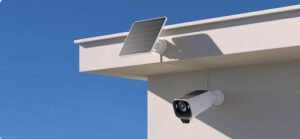
An appropriate power source is vital to keep your security cameras running effectively. Make sure every camera is powered by a dependable source that can supply the necessary voltage. Using power adapters that supply inadequate power might cause the camera to malfunction or cease operating completely. Make sure the power cords for wired cameras are positioned correctly to prevent trip hazards and signal loss. For wireless cameras, verify the battery life and ensure they are located near a power outlet or utilize solar-powered alternatives. Consistently ensuring that cameras have sufficient power provides ongoing functioning, eliminating the possibility of blind areas and downtime.
Avoiding Signal Interference
Signal interference can degrade video quality and dependability. Wireless cameras, in particular, are prone to interference from other wireless devices, including routers, microwaves, and even Bluetooth devices. To avoid this, keep cameras away from sources of interference and within the effective range of your Wi-Fi signal. If utilizing wired cameras, make sure the wires are adequately insulated to prevent signal deterioration. You may also want to consider purchasing a Wi-Fi extension or a more powerful router to improve coverage. By reducing signal interference, you can retain the quality and dependability of your security system, ensuring that it operates without interruption.
Conclusion
Avoiding common security camera installation mistakes is essential for ensuring optimal performance and coverage. You may prevent expensive mistakes by carefully choosing where to put your cameras, taking illumination into consideration, and installing wiring and power supplies correctly. A strong security system that successfully protects your house or place of business may be created by choosing the right cable types, making sure there are no blind spots, and placing the cameras in the proper locations. By following these guidelines, your security cameras will offer dependable monitoring, ensuring that your property is always safe and secure. Making the most of your system’s potential requires proper installation.

