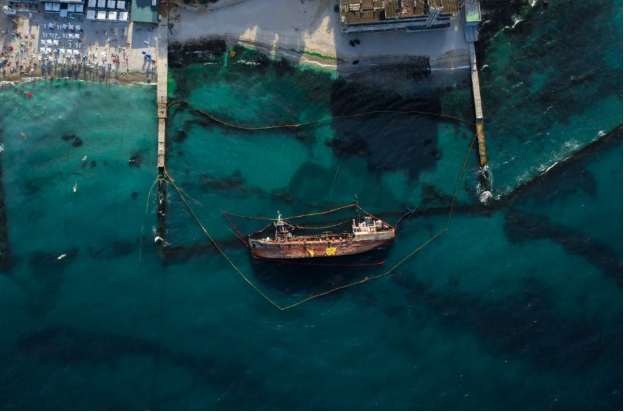
The depths of the world’s oceans have long served as silent vaults for the lost artifacts of human civilization. For centuries, sunken vessels remained out of reach, protected by crushing pressure and absolute darkness. Modern advancements are finally peeling back these watery layers.
The marriage of maritime history and cutting edge robotics has opened a new frontier for exploration. Specialized vessels now scan the seabed with precision that was once thought impossible in such a hostile environment. These missions represent a significant leap in the ability to interact with the past.
Recovering lost wealth is about more than just money; it is about preserving a specific moment in time. Each item brought to the surface tells a story of survival and loss during a chaotic era. The successful retrieval of the S.S. Gairsoppa Shipwreck Silver remains a landmark achievement.
The Perilous Journey of the Silver Fleet
The steamship was part of a critical supply line during the height of the Second World War. It carried a massive cargo of metal intended to support the global effort against rising threats. Weather and fuel shortages forced the vessel to break away from its protective convoy in the Atlantic.
The tragedy occurred just as the ship was nearing the safety of the Irish coast. A single torpedo strike sealed the fate of the crew and sent the heavy cargo plunging into the abyss. It would remain undisturbed for over seventy years in an area where light never reaches.
This specific cargo represents the economic heartbeat of a world at war. Its eventual discovery brought the details of that fateful journey back into the public eye, reminding everyone of the human cost of global conflict. The resting place is now a documented site for historical research.
Engineering Solutions for High Pressure Salvage
Extracting heavy metal bars from nearly three miles below the surface is a feat of engineering that rivals space exploration. The extreme pressure at that depth would crush a standard submarine in seconds. Robotic vehicles equipped with high definition cameras must perform delicate tasks in total darkness using artificial light.
Precision is necessary when navigating through the twisted remains of a sunken steel hull. One wrong move could cause a collapse that buries the cargo under tons of debris. Engineers must plan every maneuver with extreme care to ensure that the heavy bars are safely moved from the storage hold.
The technology used for these missions has evolved rapidly over the last decade. Powerful winch systems must handle miles of cable while maintaining steady tension. Successfully bringing these items back to the surface is a testament to the persistent desire to recover what was lost by history.
Identifying Authenticity in Recovered Bullion
Each bar recovered from the deep has a physical story etched into its surface. Decades of exposure to salt water and pressure leave distinct patinas that differentiate these pieces from modern bullion. These natural markers serve as a primary layer of verification for experts who study maritime trade logistics.
Beyond the environmental changes, the original mint marks and serial numbers remain visible under the crust of the ocean. These stamps identify the specific refinery and the year the metal was cast. Matching these numbers with the manifest of the sunken vessel provides an undeniable link to the event.
Collectors look for these specific details as proof of the extraordinary journey the metal has taken. The combination of historical documentation and physical evidence creates trust in the marketplace. Every marking is a fingerprint that connects a modern household to a ship that vanished during a global transition.
The Emotional Premium of Salvaged Treasure
The scarcity of these salvaged items creates a very specialized segment within the broader metals market. While standard bars are valued for their weight, these pieces carry a heavy premium based on their provenance. The story of the sinking and the subsequent recovery adds a layer of depth for enthusiasts.
Narrative is often just as valuable as the metal content itself in this niche environment. Owners are not just holding a commodity; they are holding a tangible piece of a maritime tragedy. This emotional connection makes these items highly sought after during auctions where history is the primary driver.
Because only a limited amount of material can ever be recovered, the supply is fixed by history. This finite nature ensures that interest remains high as more people learn about the salvage efforts. The market values the perseverance required to bring these treasures back into the light of day.
The recovery of wealth from the seabed serves as a powerful reminder of the enduring connection to the past. It proves that even the most remote locations on the planet can be reached with enough determination and technology. These treasures bridge the gap between historical records and modern physical reality.
Each piece of salvaged metal carries the weight of a story that was almost forgotten by time. They stand as monuments to the crews who sailed during dangerous eras and the engineers who found them years later. Protecting this legacy ensures that lessons of the past are never completely washed away.
Looking ahead, the success of these missions inspires further exploration of the vast and unknown ocean floor. There are likely many more stories waiting to be told and treasures waiting to be found in the deep. The items already found remain a fascinating testament to technological progress.