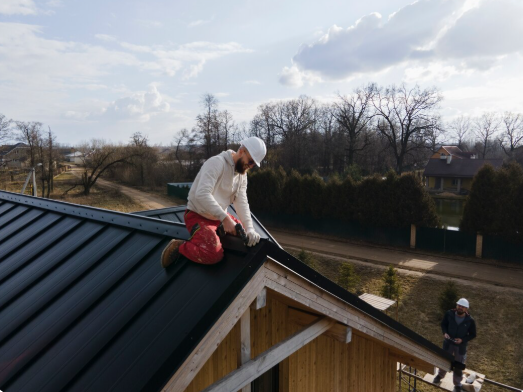
A roof is one of the most important structural components of any home or building because it protects the interior from weather conditions, environmental exposure, and structural damage. Over time, roofs face continuous stress from sunlight, rain, wind, dust, temperature fluctuations, and debris accumulation. These environmental factors gradually weaken roofing materials and can lead to cracks, leaks, mold growth, and structural deterioration if not properly maintained. One of the most effective methods for preserving a roof and preventing long-term damage is roof sealing.
Roof sealing involves applying a protective coating or sealant to the surface of a roof to create a barrier against moisture, ultraviolet radiation, and environmental contaminants. This protective layer helps extend the lifespan of roofing materials while improving the overall performance of the roof. Properly applied roof sealants prevent water infiltration, reduce energy loss, and enhance the structural integrity of the roofing system. For homeowners and property managers, roof sealing represents a preventive maintenance strategy that can significantly reduce repair costs and improve the longevity of the building.
Understanding the purpose, benefits, materials, and process involved in roof sealing allows property owners to make informed decisions about maintaining their roofs. A well-maintained roof not only protects the building but also enhances its appearance, energy efficiency, and long-term value.
Understanding the Purpose of Roof Sealing
Roofs constantly experience wear due to natural weather conditions. Continuous exposure to sunlight can cause roofing materials to expand and contract, which may eventually create cracks or gaps in the surface. Rainwater can seep into these small openings, leading to moisture buildup inside the structure. If moisture penetrates deep into roofing materials, it may cause rot, mold growth, and damage to the underlying support structures.
Roof sealing is designed to prevent these problems by creating a protective coating that blocks moisture and environmental contaminants from penetrating the roof surface. The sealant forms a continuous layer that fills small cracks, strengthens weak areas, and protects roofing materials from further deterioration.
Another important function of roof sealing is protecting against ultraviolet radiation from the sun. UV rays can gradually degrade roofing materials, making them brittle and prone to cracking. Many roof sealants contain reflective properties that reduce heat absorption and prevent excessive temperature fluctuations on the roof surface.
Additionally, roof sealing helps prevent the growth of moss, algae, and mildew that commonly develop in damp or shaded areas. These organisms not only make roofs look unattractive but can also cause material deterioration over time. Applying a protective sealant limits the conditions that allow such growth to develop.
Types of Roof Sealants
Different types of sealants are available to suit various roofing materials and environmental conditions. Selecting the correct sealant is essential for achieving effective and long-lasting protection.
Acrylic roof sealants are among the most commonly used options because they are durable, flexible, and resistant to ultraviolet radiation. These water-based coatings are easy to apply and are particularly effective for protecting roofs from sun damage. Acrylic sealants are frequently used on flat or low-slope roofs and can be applied to several types of surfaces.
Silicone roof sealants provide excellent waterproofing capabilities and perform well in areas that experience heavy rainfall. Silicone coatings remain flexible even under extreme temperature conditions, making them highly effective at preventing cracks and leaks. They also resist ponding water, which can accumulate on flat roofs during rainy seasons.
Polyurethane roof sealants are known for their exceptional strength and durability. These coatings are resistant to impact, chemicals, and harsh weather conditions. Polyurethane sealants are often used in commercial and industrial roofing systems but can also be applied to residential roofs that require strong protective coatings.
Bituminous sealants, which are based on asphalt or modified bitumen, are widely used for flat roofs and asphalt shingle roofs. These sealants provide strong waterproofing protection and adhere well to many roofing surfaces. They are particularly effective in preventing leaks and reinforcing older roofs that have begun to show signs of wear.
The Roof Sealing Process
Applying roof sealant requires careful preparation and attention to detail to ensure maximum effectiveness. The process typically begins with a thorough inspection of the roof to identify areas of damage, cracks, loose materials, or existing leaks. Any damaged sections must be repaired before applying sealant to prevent moisture from becoming trapped beneath the coating.
Once the roof has been inspected, it must be thoroughly cleaned. Dirt, dust, algae, moss, and debris must be removed from the surface to allow the sealant to adhere properly. Cleaning may involve pressure washing, scrubbing, or using specialized cleaning solutions depending on the condition of the roof.
After cleaning, the roof must be allowed to dry completely before the sealant is applied. Moisture trapped beneath the coating can interfere with adhesion and reduce the effectiveness of the sealant. In some cases, a primer may be applied to enhance the bond between the sealant and the roofing material.
The sealant is then applied evenly across the roof surface using brushes, rollers, or spray equipment. The application method depends on the type of sealant and the size of the roof. Multiple layers may be required to achieve the desired thickness and durability. Each layer must be allowed to cure before applying the next one.
After the sealant has fully cured, a final inspection ensures that the entire surface is evenly coated and that no gaps or weak areas remain. Properly applied roof sealant forms a continuous protective barrier that can last for several years with proper maintenance.
Benefits of Roof Sealing
Roof sealing offers numerous benefits for homeowners and property managers. One of the most significant advantages is the prevention of water damage. By blocking moisture from entering the roof structure, sealants help prevent leaks, mold growth, and structural deterioration.
Another important benefit is improved energy efficiency. Reflective roof sealants reduce heat absorption by reflecting sunlight away from the roof surface. This helps maintain lower indoor temperatures during warm weather, reducing the need for excessive air conditioning and lowering energy costs.
Roof sealing also extends the lifespan of roofing materials. By protecting against environmental damage, sealants reduce wear and tear, allowing the roof to remain in good condition for a longer period. This reduces the frequency of costly repairs and delays the need for roof replacement.
In addition to functional benefits, roof sealing improves the overall appearance of the building. A freshly sealed roof looks cleaner and more uniform, enhancing the property’s curb appeal. For homeowners planning to sell their property, a well-maintained roof can increase buyer confidence and property value.
Signs That a Roof May Need Sealing
There are several indicators that suggest a roof may require sealing. Visible cracks, worn areas, or damaged shingles often signal that roofing materials are beginning to deteriorate. Water stains on ceilings or walls may indicate that moisture is penetrating the roof structure.
The presence of moss, algae, or mildew on the roof surface can also suggest that the protective layer of the roof has weakened. In addition, if a roof appears faded or discolored due to prolonged sun exposure, it may benefit from a protective sealant to restore durability and appearance.
Regular inspections help identify these warning signs early so that roof sealing can be applied before more serious damage occurs.
Maintenance After Roof Sealing
Although roof sealing significantly improves protection, ongoing maintenance is still important to ensure long-term performance. Property owners should periodically inspect the roof for debris, damage, or signs of wear in the sealant layer. Cleaning leaves, branches, and dirt from the roof surface helps maintain proper drainage and prevents moisture buildup.
In most cases, roof sealants remain effective for several years depending on the type of product used and the environmental conditions. Reapplying sealant when necessary ensures that the protective barrier remains strong and continues to safeguard the roof.
Conclusion
Roof sealing is an essential part of maintaining the durability, safety, and efficiency of any building. By applying a protective coating to the roof surface, homeowners can prevent water infiltration, reduce heat absorption, and extend the lifespan of roofing materials. The process not only protects the structural integrity of the roof but also improves the overall appearance and energy efficiency of the property.
Understanding the types of roof sealants available, the proper application process, and the benefits of regular maintenance allows property owners to take proactive steps toward protecting their roofs. Investing in roof sealing today can prevent costly repairs in the future and ensure that the roof continues to perform its vital role of safeguarding the building for many years to come.