
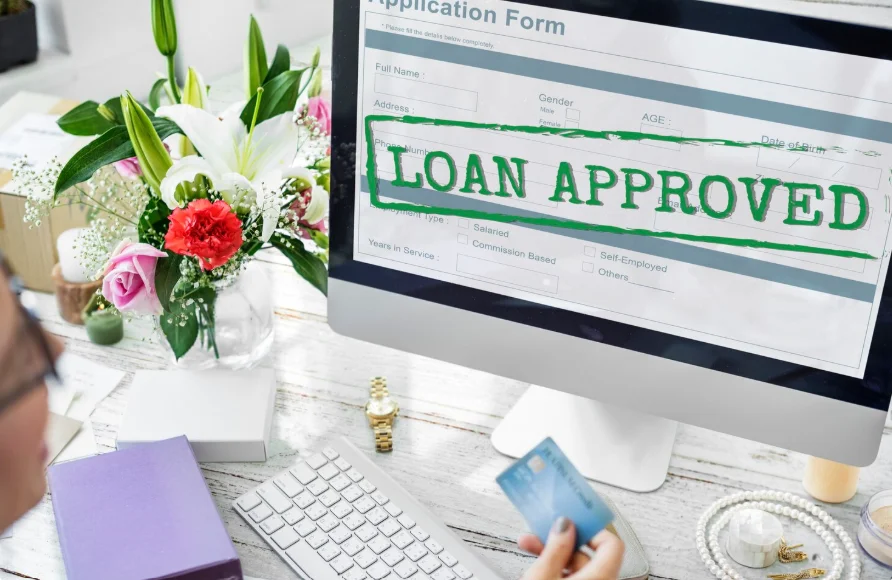
When you need a payday loan, the urgency of your financial situation often overshadows the careful consideration that such borrowing decisions require. These short-term, high-cost credit products have carved a particular niche in Singapore’s lending landscape, filling gaps that traditional financial institutions typically avoid. The mechanism works with apparent simplicity: borrowers access small amounts quickly, repaying when their next salary arrives. Yet beneath this straightforward surface lies a complex web of costs, risks, and regulatory frameworks that demands closer examination. Singapore’s financial ecosystem operates under strict oversight from the Monetary Authority of Singapore and the Ministry of Law.
Understanding Payday Loan Mechanics
The operational structure of payday loans follows a distinctive pattern that sets them apart from conventional borrowing. Payday lending typically involves loans ranging from several hundred to a few thousand dollars, with repayment periods spanning two weeks to one month.
In Singapore, entities offering these services must operate as licensed moneylenders under the Moneylenders Act. The Ministry of Law maintains a registry of licensed moneylenders, providing borrowers with verification tools to distinguish legitimate operations from unlicensed entities. According to the Moneylenders Act, licensed moneylenders may charge interest rates up to 4 percent per month, with specific limitations on fees and charges.
The borrowing process requires minimal documentation:
- Identification documents proving Singapore residency or employment
- Proof of income through payslips or bank statements
- Basic employment verification
- Bank account details for disbursement and repayment
This streamlined approach serves borrowers facing immediate financial needs, yet the convenience carries significant costs worth examining in detail.
The True Cost Structure
Understanding the financial implications of payday loan arrangement requires looking beyond the stated interest rate to the effective annual cost. A 4 percent monthly interest rate translates to approximately 48 percent annually when compounded, substantially higher than personal loans from traditional financial institutions, which typically range from 6 to 10 percent annually.
The Moneylenders Act establishes clear fee structures that licensed moneylenders must observe:
- Administrative fees limited to 10 percent of principal for loans below £10,000
- Late payment fees capped at £60 per month
- Legal fees restricted to specific circumstances and amounts
- Total interest and fees cannot exceed the principal amount borrowed
These regulatory protections provide important safeguards, yet even within legal boundaries, the cumulative cost of short-term loans can strain borrowers’ finances significantly.
Inherent Risks and Debt Cycle Dynamics
The primary danger associated with payday loans manifests in the debt cycle phenomenon, where borrowers find themselves trapped in recurring borrowing patterns. The sequence typically unfolds as follows: an individual secures a payday advance to address an immediate need, repays the loan when salary arrives, then finds insufficient funds remaining for regular expenses, necessitating another loan.
Research into lending patterns reveals several concerning trends:
- High rollover rates where borrowers extend loans rather than clearing them
- Multiple concurrent loans creating overwhelming repayment obligations
- Prioritization of loan repayment over essential expenses
- Deteriorating financial positions over successive borrowing cycles
The Monetary Authority of Singapore has implemented the Total Debt Servicing Ratio framework, capping monthly debt repayments at 55 percent of gross monthly income.
Alternative Solutions Worth Considering
Before committing to a payday loan arrangement, several alternatives merit thorough evaluation.
- Personal instalment loans from licensed moneylenders offer similar accessibility but with more manageable repayment structures. These loans spread repayment across three to twelve months, reducing individual payment burdens whilst maintaining reasonable accessibility.
- Credit facilities through established financial relationships provide another avenue. Existing customers with banks may access overdraft facilities or credit lines with substantially lower interest rates than payday products.
- Community assistance programmes operate throughout Singapore, offering interest-free or low-interest loans for specific purposes. These programmes provide genuine financial relief without the crushing costs associated with payday borrowing.
- Employer advances represent perhaps the most overlooked alternative. Many employers maintain policies allowing salary advances for employees facing genuine emergencies, effectively providing zero-interest short-term funds.
- Financial counselling services supported by government agencies offer free consultations for individuals facing debt challenges. These services help borrowers restructure existing obligations and develop sustainable financial management strategies.
Critical Evaluation Before Borrowing
Several factors demand careful assessment before proceeding with payday loan applications.
- Repayment capacity requires honest evaluation. Can you realistically repay the full amount plus fees when your next salary arrives without creating additional financial strain? The mathematics here are unforgiving: if your budget was insufficient before borrowing, it will prove even more challenging after repayment.
- Lender legitimacy verification protects against unlicensed operators who disregard legal protections. The Ministry of Law registry provides authoritative confirmation of licensed status.
- Alternative timeline considerations may reveal that delaying non-urgent expenses or arranging payment plans with creditors offers better solutions than immediate high-cost borrowing.
- Long-term financial planning deserves attention even amidst short-term pressures. Building emergency savings, however gradually, provides genuine financial resilience that eliminates future dependence on costly short-term credit.
Singapore’s regulatory framework provides important protections for borrowers who need a payday loan, yet these safeguards cannot eliminate the inherent risks and costs associated with such borrowing. The decision to pursue this financing option should follow comprehensive evaluation of alternatives, realistic assessment of repayment capacity, and clear understanding of total costs involved. Financial emergencies create genuine stress and urgency, yet rushed borrowing decisions often compound rather than resolve underlying financial challenges. By thoroughly examining all available options and understanding the true implications of payday borrowing, individuals can make informed choices that support their financial stability, even when circumstances make them believe they need a payday loan.

