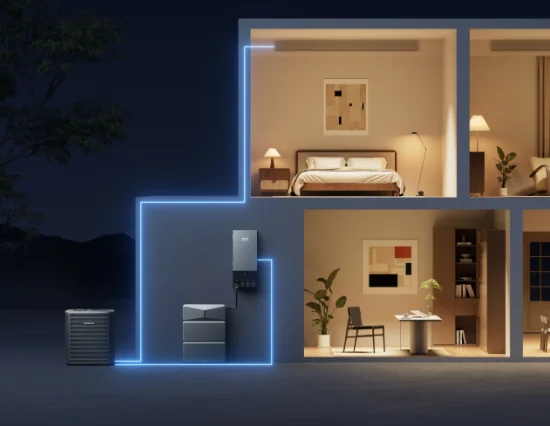
Families often imagine generators running constantly during outages, but in real homes, activation patterns vary widely based on grid reliability, seasonal weather, and the type of standby system installed. Understanding how often a whole house generator turns on helps homeowners set realistic expectations about backup behavior, maintenance needs, and long-term preparedness. Many outages last only seconds, yet these interruptions still affect sensitive electronics, HVAC systems, and daily routines. Modern whole-home backup systems, especially integrated battery-solar-generator platforms like the Anker SOLIX E10 with the Power Dock, respond instantly and automatically, switching on even when the outage window is barely noticeable. This shift changes not just how often backup power runs, but how families experience energy security.
What Determines How Frequently Standby Systems Activate
Grid Behavior Plays a Large Role in Activation Frequency
The number of times a whole house generator turns on each year depends heavily on the stability of the local electrical grid. Some neighborhoods experience only one or two meaningful outages annually, while others see dozens of brief dips, flickers, or brownouts. Sensitive appliances like HVAC blowers, refrigerators, and routers suffer from voltage fluctuations even when the outage lasts only a fraction of a second. Standby systems protect against these micro-failures, activating instantly when the home loses stable power. With ≤20ms automatic switchover, the E10 steps in before most families even register the interruption. This means the system may activate far more frequently than people expect—not because outages are long, but because they are frequent and unpredictable. Homeowners in storm-prone regions, areas with aging infrastructure, or neighborhoods with frequent maintenance disturbances typically see more standby activity than those in newer developments with underground lines.
Seasonal Patterns Cause Surges in Activation
Seasonal weather patterns significantly affect generator activity. Summer brings heavy grid loads due to air-conditioning demands, which increase the likelihood of voltage drops and localized outages. Winter storms, freezing rain, and high winds cause physical damage to power lines. These seasonal stressors shape activation frequency throughout the year. Families often find their backup systems running more during peak summer months, especially when temperatures rise and HVAC compressors place sudden stress on the grid. The E10’s fast surge ability—capable of starting large central A/C units—ensures the system can jump in during those critical peaks. In regions with hurricanes, wildfire-related grid cuts, or winter blizzards, the pattern is even more pronounced. Standby systems activate not only when the power is lost for hours, but also when utility companies perform rolling brownouts to balance loads. This means activation frequency often mirrors seasonal risk rather than calendar averages.
Home Energy Profiles Influence How Often Backups Trigger
Homes differ dramatically in energy behavior. A family with high-demand appliances, large HVAC systems, or electric heating experiences more stress points than a household with modest consumption. Homes with many electronics, medical equipment, or sensitive devices may also require more frequent backup intervention. Because the E10 monitors power quality continuously, it responds to any interruption that crosses its detection threshold. Families with home offices, smart home systems, or tightly integrated electronics benefit from this fast response because it prevents data loss and system resets. Instead of waiting through the 10–30 seconds required by traditional generators, the E10 activates instantly. As a result, homes with complex energy ecosystems experience more backup events—even if the grid remains technically “on” most of the time.
How Generator Activation Patterns Change With Modern Backup Technology
Batteries Respond First, Reducing Generator Runtime
In many traditional setups, the generator turns on immediately when the power fails. Modern hybrid systems behave differently. Battery-first architectures like the E10 supply power instantly while maintaining silence and stability. The smart generator only runs when necessary—typically during long outages or when batteries drop to a set threshold. This design dramatically reduces generator runtime across the year. For many families, the generator component may activate only a handful of times annually, even if the home transitions to backup dozens of times. This reduces fuel use and maintenance while still ensuring reliable protection. The battery covers most short outages, micro-interruptions, and seasonal dips. The generator’s role becomes strategic: stepping in during multi-day outages or high-demand events when batteries alone are insufficient.
Outage Length Strongly Affects Annual Runtime
Short outages make up the majority of events in many regions. While generators activate during these events, the runtime is extremely short—often minutes or even seconds. Long outages, however, shape the total number of hours backup systems operate in a year. A home may experience 15 brief outages, each lasting under a minute, followed by one storm that takes down the grid for eight hours. In this case, the number of activations is high, but the cumulative runtime is dominated by a single event. Systems like the E10 help families stay comfortable through both long and short outages, with scalable battery storage ranging from 6kWh to 90kWh and optional solar input up to 27kW when using three units. This structure means the generator runs only when extended conditions demand it—further reducing overall activation frequency.
Automatic Testing Cycles Contribute to Activation Count
Most generators run scheduled self-tests to ensure readiness. These tests typically occur weekly or monthly, contributing to the number of total activations even without outages. Hybrid systems reduce the need for frequent generator testing because the battery handles many readiness checks internally. The smart generator activates only when long-duration backup is required or when its fuel system needs verification. This approach lowers wear, conserves fuel, and offers a more efficient pattern of generator usage over the long term. For families, the benefit is clear: fewer activations, quieter neighborhoods, and more reliable performance when it matters most.
Conclusion
Standby systems turn on far more often than many homeowners expect—not because outages are long or dramatic, but because the grid experiences constant small disruptions. The true activation frequency depends on weather patterns, home energy behavior, grid stability, and system design. Modern hybrid solutions like the Anker SOLIX E10 with the Power Dock redefine these activation patterns by using batteries as the first responder and the smart generator as long-duration reinforcement. This reduces generator runtime, increases reliability, and maintains comfort during both minor and major outages.