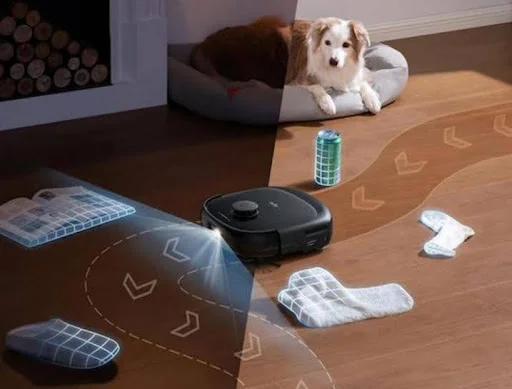
Living with pets brings joy but also introduces a steady flow of hair, crumbs, and small daily messes that quickly accumulate across floors. Even with regular sweeping or manual vacuuming, debris often reappears within hours, especially in homes with active dogs or cats. Robot vacuums have become an appealing way to maintain cleaner floors without constant effort, allowing households to focus more on enjoying their pets. In this article, practical strategies will be explored to help pet owners get the most from their robot vacuum.
Understanding Your Robot Vacuum’s Strengths with Pets
Expertly Managing Daily Shedding and Dander
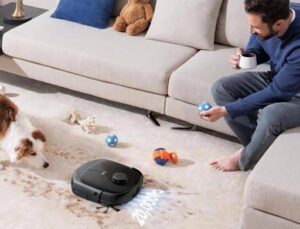
Robot vacuums excel at handling light but constant debris such as pet hair and dander that accumulates subtly throughout the day. Their frequent cleaning cycles help prevent hair from forming larger clumps that cling to corners or fabric surfaces. Many models use brush designs and airflow patterns that lift fine particles efficiently from hard floors and low-pile carpets. This consistency leads to cleaner spaces with less manual sweeping required. A robot’s routine coverage ensures that shedding does not become overwhelming between deeper cleanings.
Handling Common Dry Debris
Pets often leave behind small pieces of kibble near feeding stations or bring in bits of dirt from outdoor walks. Robot vacuums are well suited to collecting these dry particles before they scatter further around the home. Their suction pathways and rolling brushes work together to pick up debris of varying shapes and sizes. When used regularly, this reduces the amount of grit that pets or people track onto rugs or furniture. The result is a more comfortable environment with fewer uncomfortable particles underfoot.
Creating a Smart and Safe Cleaning Routine
Use Smart Mapping to Define Different Zones
Smart mapping allows a robot vacuum to understand where pets typically eat, sleep, and relax, which helps create cleaning paths that avoid unnecessary disruption. Feeding areas often contain loose kibble and should be approached carefully to prevent clogs. Resting spots may have concentrated hair buildup, so targeted cleaning can be beneficial there. Mapping also ensures that the robot does not intrude on areas where pets prefer quiet or uninterrupted space. Over time, this helps maintain both cleanliness and comfort.
Leverage Scheduled Cleaning
Running the robot while household members are awake and available enhances safety and supervision. Pets may be startled by the device’s movement, so scheduling cleanings during calm, predictable periods helps reduce anxious reactions. Observing initial runs allows users to adjust settings or areas if pets show sensitivity to noise or motion. Consistent scheduling also supports better hair and debris control by spreading cleanings throughout the week. This habit leads to a smoother routine where both pets and people adapt comfortably.
Employ Containment Features Like No-Go Lines
Pet water bowls and fountains pose a risk for spills if a robot vacuum bumps into them. Using no-go lines or virtual barriers helps keep the robot from entering zones where liquid messes are common. This prevents accidental splashes that could damage floors or interfere with the robot’s sensors. It also reduces stress for pets that prefer not to have their feeding area disturbed. By guiding the robot around sensitive spots, cleaning becomes more reliable and worry-free.
Conduct a Quick “Pre-Clean” Visual Check
A brief inspection of the floor before activating the robot ensures that unexpected items do not interfere with cleaning. Toys, loose cables, or soft cloths can obstruct the vacuum’s path or become tangled in its brushes. Checking for these items takes only a few seconds but prevents interruptions during the cleaning cycle. This habit also helps identify any pet accidents that the robot should avoid, since wet messes require manual attention. A simple visual check supports the robot’s efficiency and keeps the home safer.
Proactive Habits for a Harmonious Home
Establishing a Consistent Pet Routine
Pets thrive on predictable schedules, which indirectly supports safe robot vacuum use. Regular feeding and walking times help reduce the likelihood of unexpected messes appearing during cleaning cycles. When pets know when to expect activity, they remain calmer while the robot operates. This predictability also helps households plan cleaning sessions around quieter periods. Establishing clear routines benefits both pet well-being and overall home maintenance.
Integrating Spot Cleaning with Robot’s Maintenance Schedule
Certain areas collect debris more quickly, especially around entryways or near pet beds. Spot cleaning with the robot can be scheduled between regular full runs to keep these zones fresh. This method reduces the feeling that dirt accumulates faster than the robot can handle. Combining targeted cleaning with regular maintenance such as emptying the dustbin ensures optimal performance. Over time, these habits create a cleaner environment without significantly increasing effort.
Using the Right Tools for Complete Cleanliness
Selecting a robot vacuum that aligns with pet-related needs helps create a smoother daily routine. Households searching for the best robot vacuum for pet hair can consider how well a device picks up embedded debris, avoids pet hazards, and coordinates with smart home habits. A thoughtfully engineered option such as one from eufy offers balanced suction, reliable mapping, and practical safety features that support pet households without unnecessary complexity. Its design helps meet the common challenges pet owners face, from shedding control to managing small dry debris. With the right tool, maintaining a clean home alongside active pets becomes significantly more achievable.
Conclusion
In the lively world of a pet-friendly home, the robot vacuum becomes a discreet ally in the pursuit of harmony. Its diligent, automated rounds—guided by smart mapping and thoughtful routines—work in quiet concert with daily life. Here, technology does not intrude but accommodates, allowing joy and fur to coexist while steadily lifting the burden of upkeep. This quiet partnership proves that consistent, small efforts can sustain a cleaner, more comfortable shared space, leaving more room for life’s spontaneous moments.